
-
 3-4 , 5-8 , 9-10
-
 5 to 20 min
-
 Easy
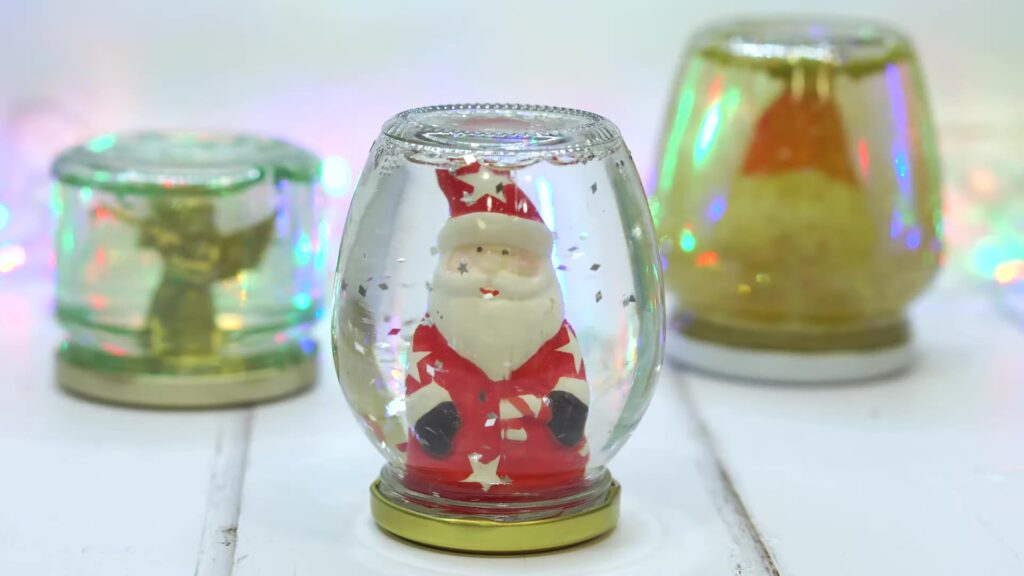
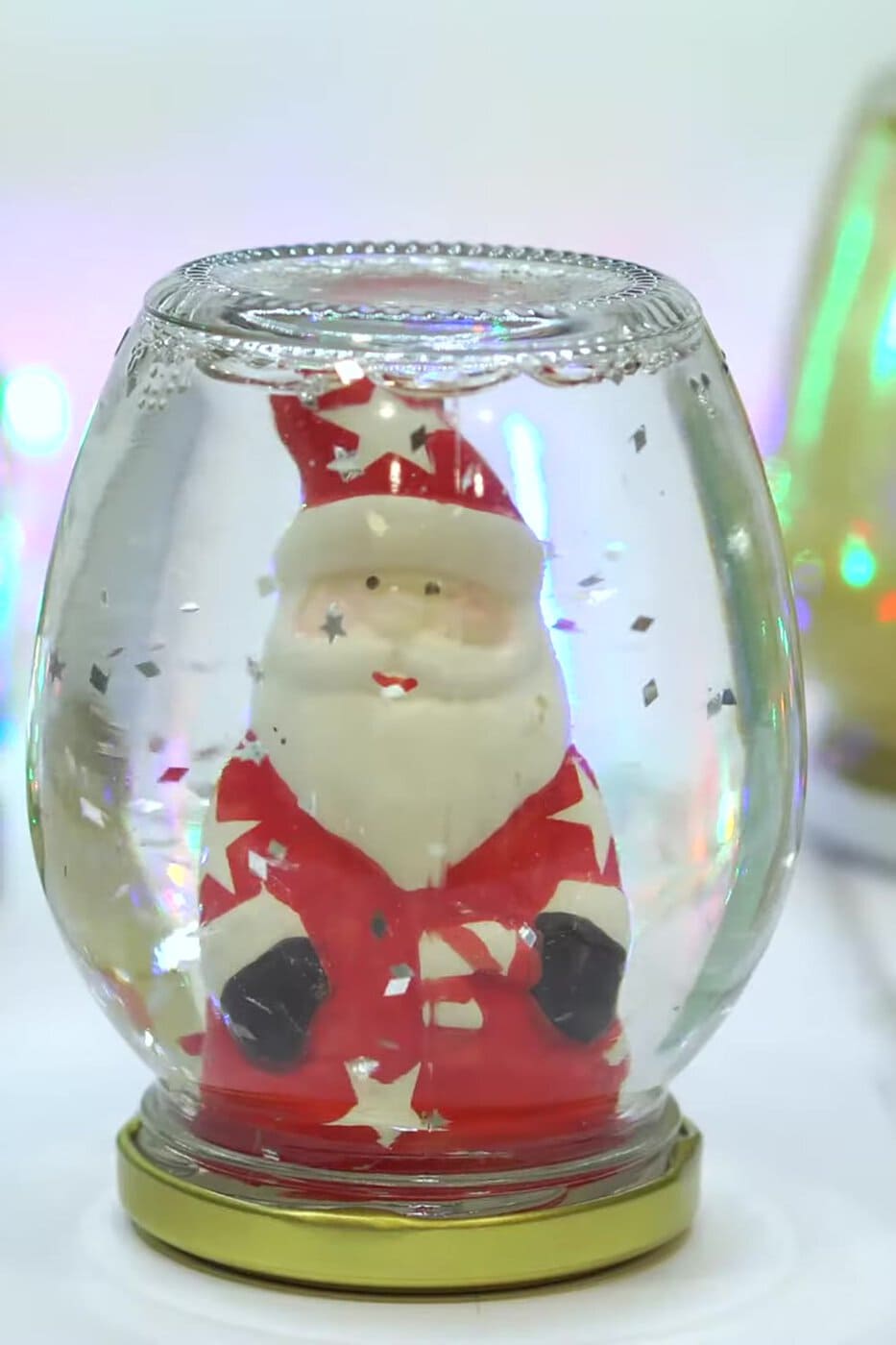
This DIY snow globe is made from an empty glass jar, a small Christmas figure, water, a spoonful of glycerin and some glitter. Turn it over and the snow drifts down around Santa. It takes about ten minutes, plus a few minutes for the glue to cool. Children can do most of it, and an adult does the hot glue.
List of Materials
Test the figure first: put the lid on with the figure resting on it and check that the jar closes. A short figure sits low in the globe; glue it onto an upturned bottle cap to raise it. Plastic, glass or glazed ceramic figures last best. Bare metal can rust and painted wood or paper soaks up water. Glycerin is sold with baking supplies in supermarkets and at chemists. Chunky glitter or sequins sink evenly and are easy to see; fine glitter dust can clump or float on top. A plastic jar is a good choice for toddlers, as it won’t break if it’s dropped. For a globe you want to keep all season, use cooled boiled water, or distilled water, instead of tap water.
Step by Step Instructions
Adult step: run a ring of hot glue around the bottom of the figure.
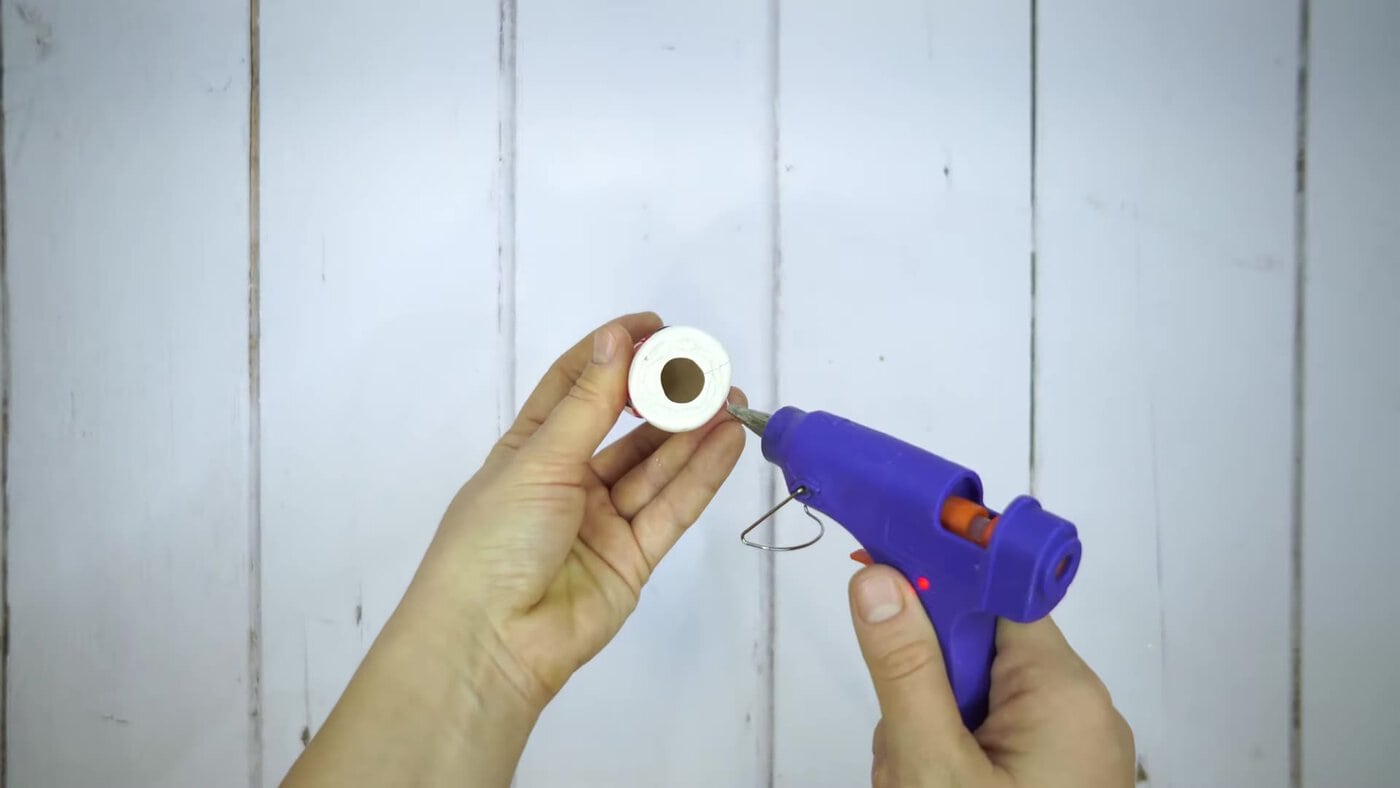
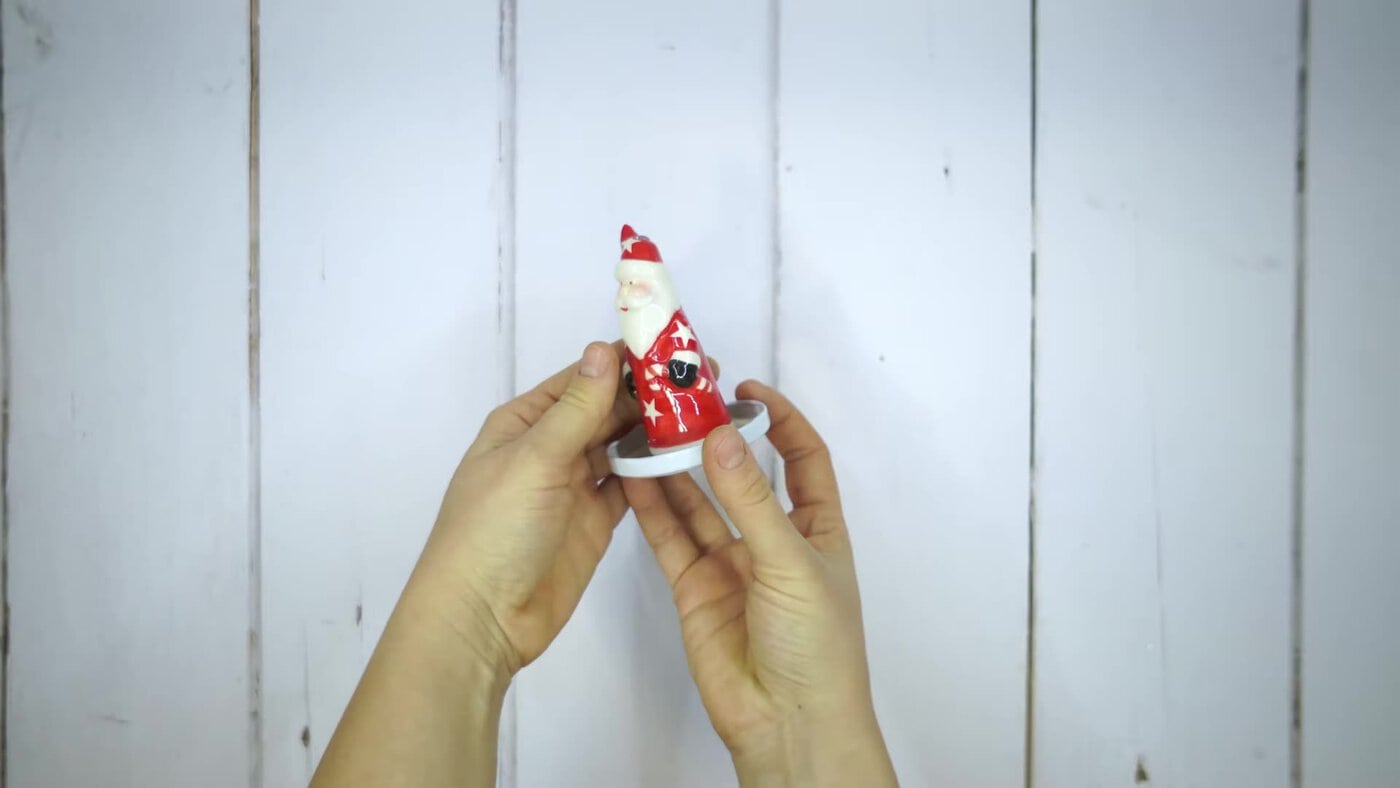
Press the figure onto the inside of the lid, right in the middle, and hold it still for about a minute while the glue sets. Leave it to cool fully before it goes into the water.
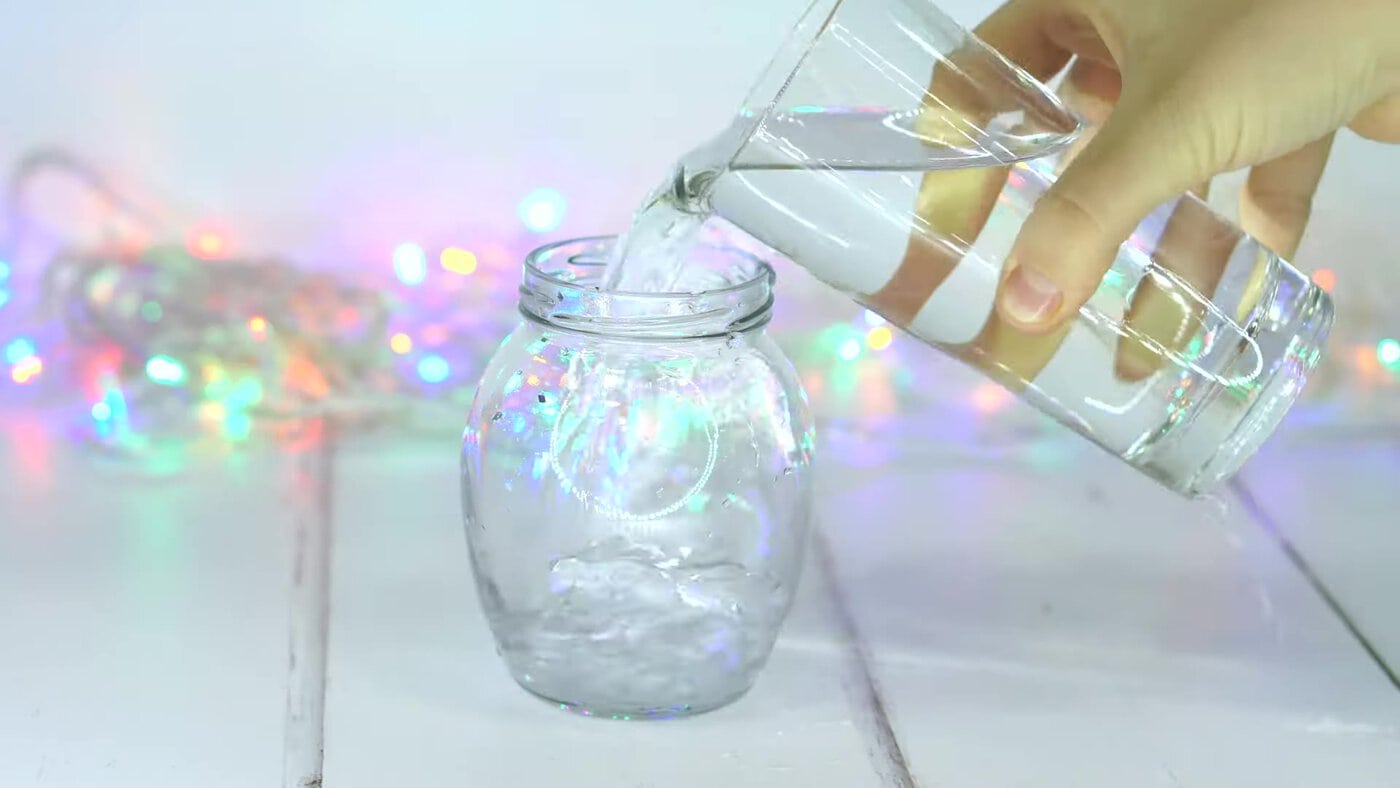
Fill the jar with water to just below the neck. The figure will push the water up when it goes in.
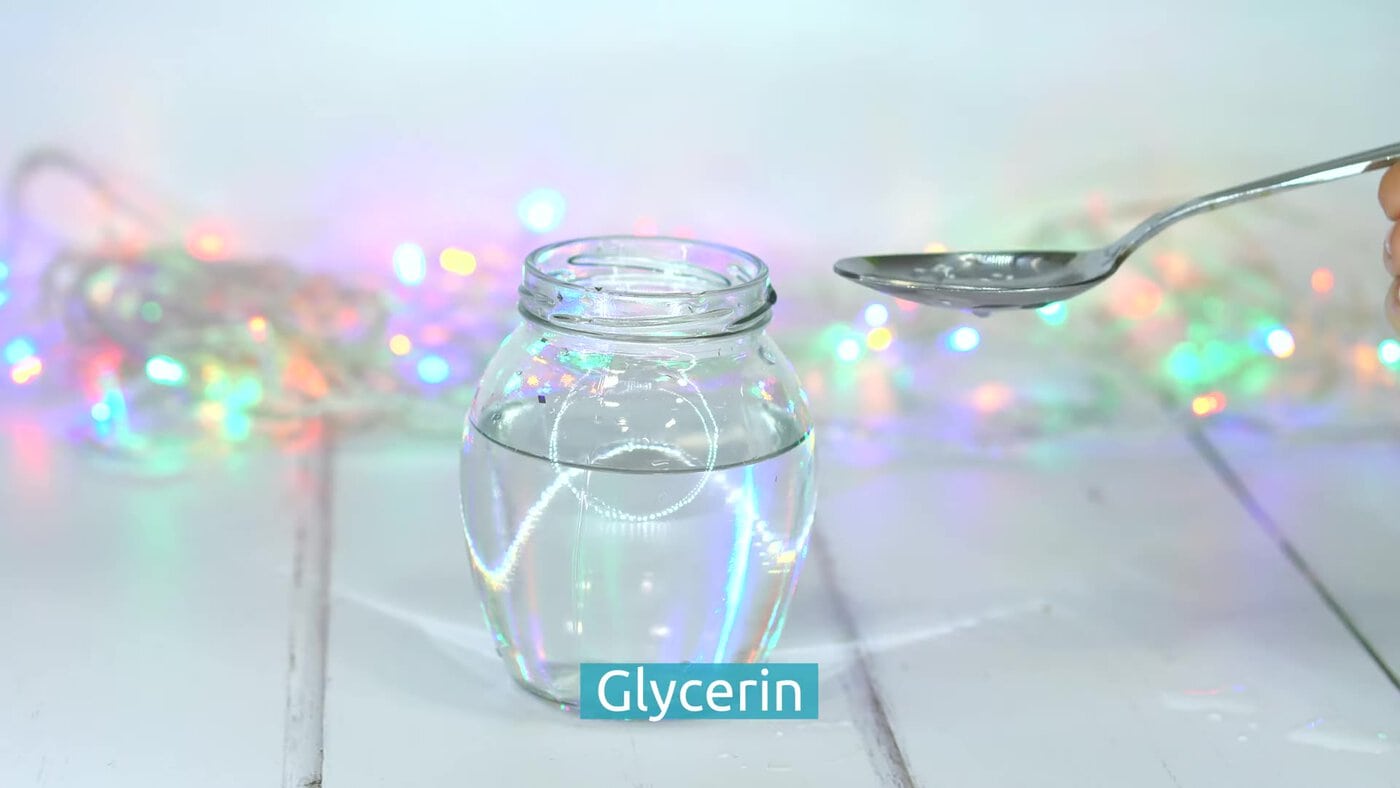
Add a spoonful of glycerin and stir. It makes the snow fall a little more slowly.
Sprinkle in a pinch of glitter. Watch how slowly it sinks.
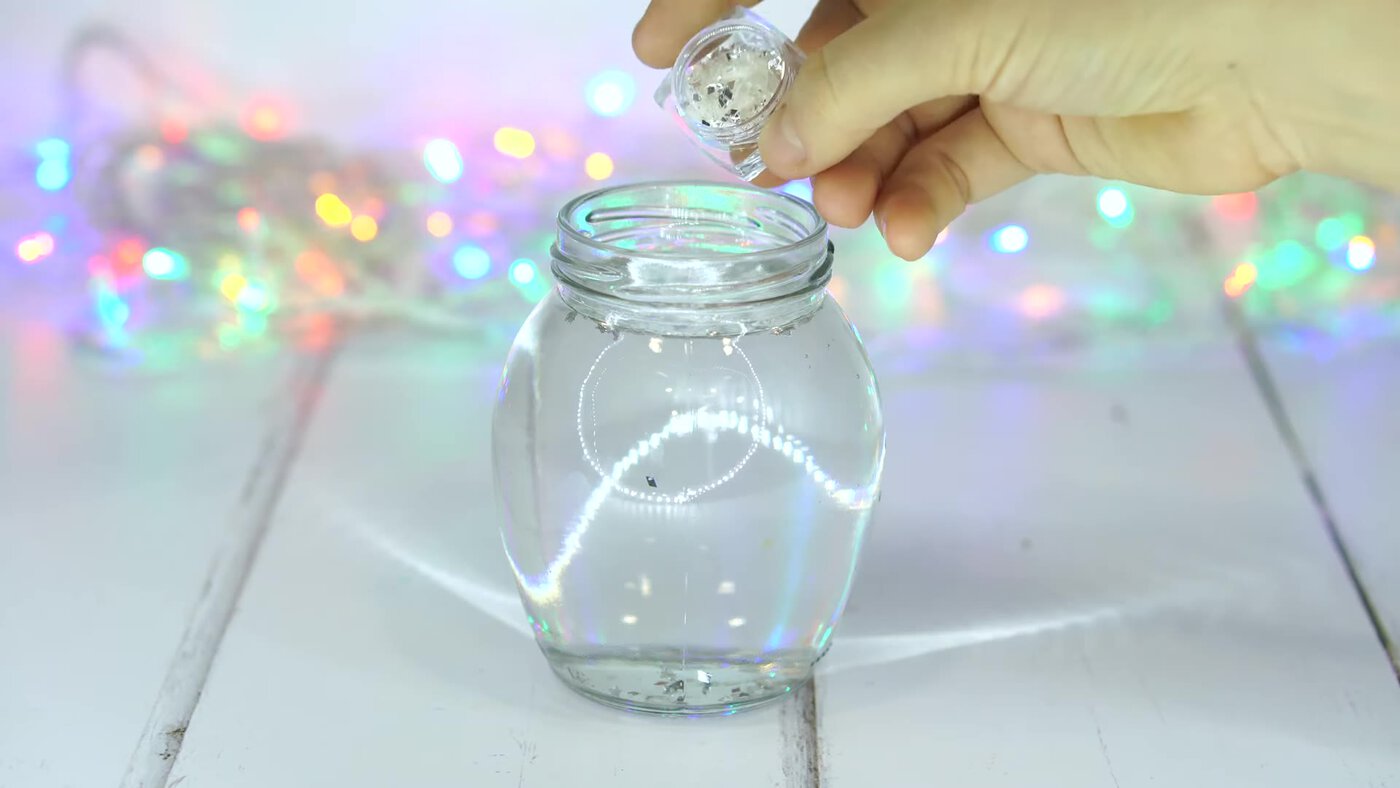
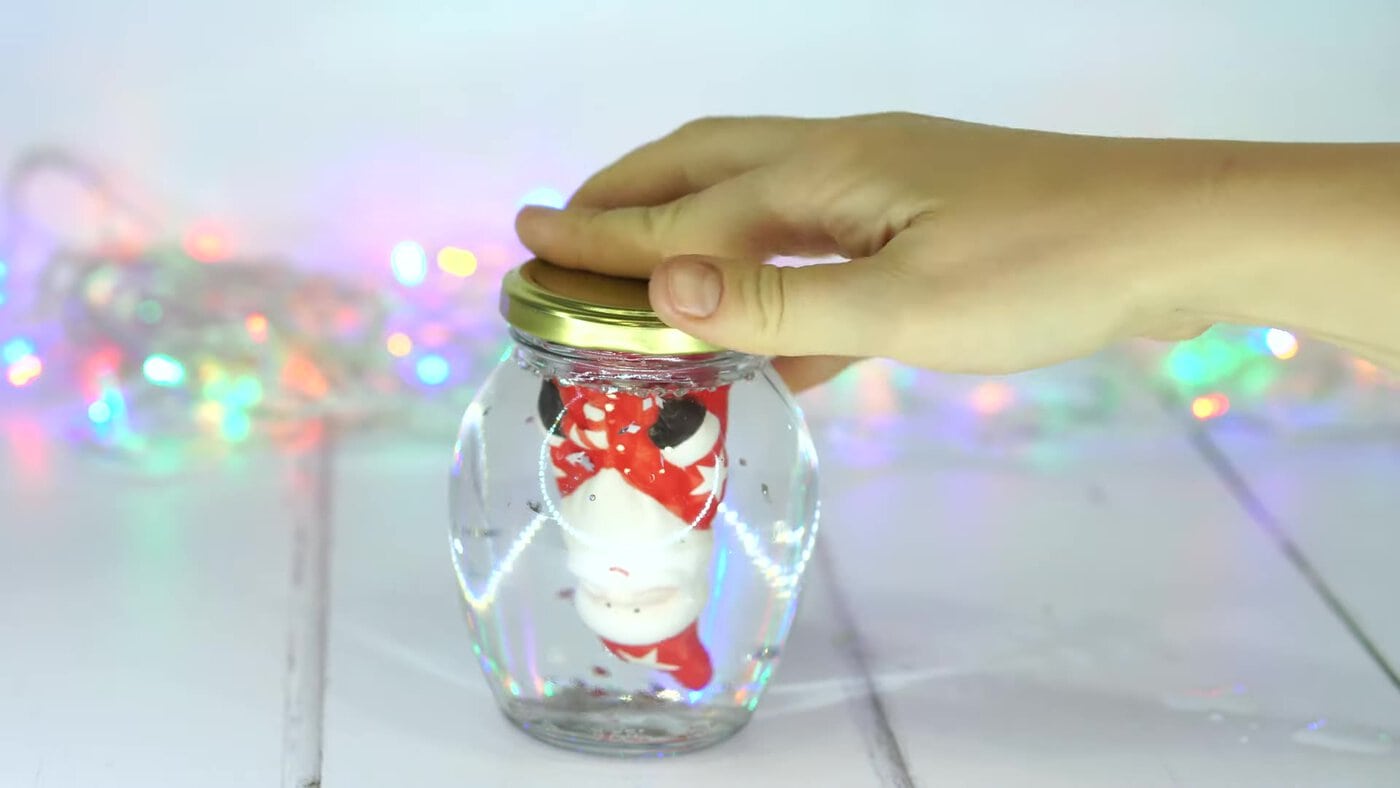
Lower the figure into the jar, upside down, and screw the lid on tightly (an adult gives it a final twist).
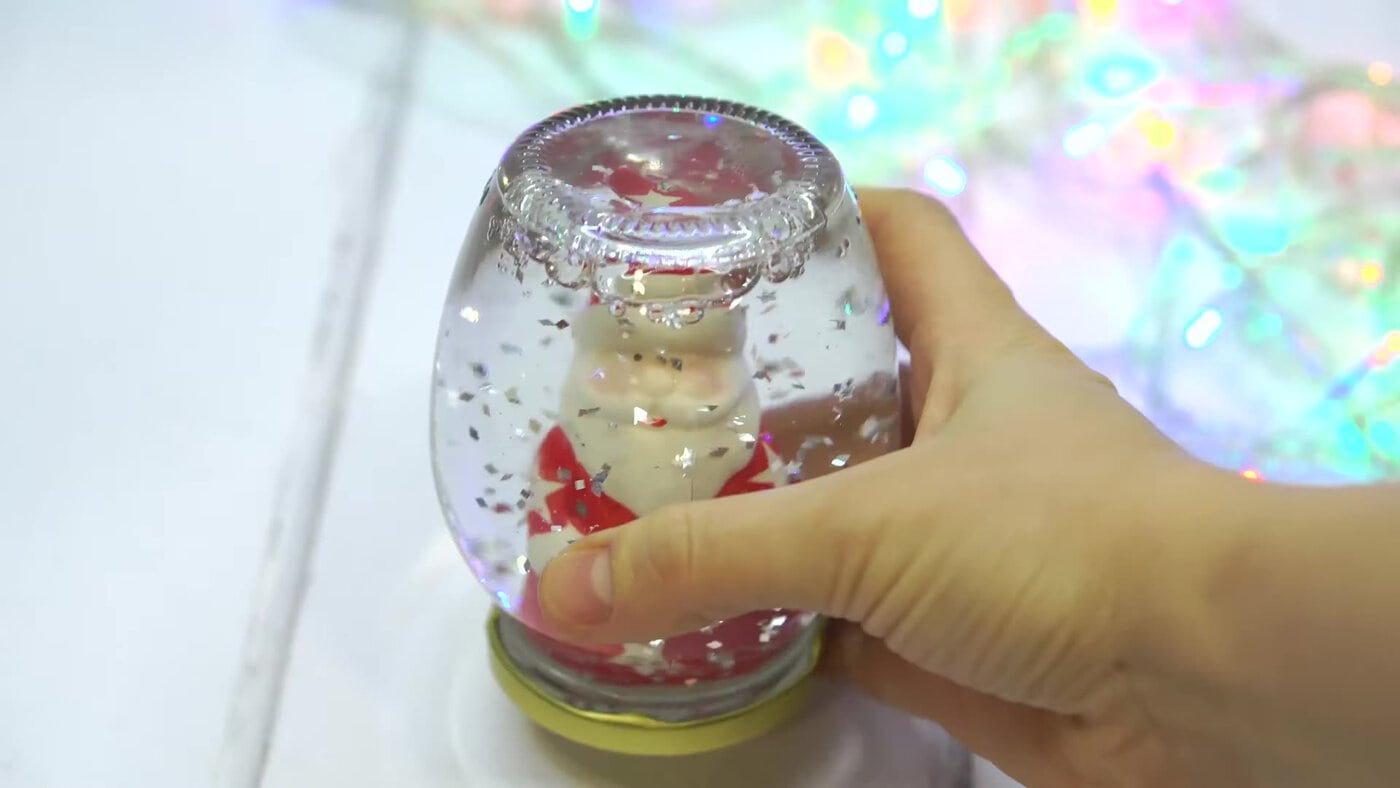
Turn the jar over so it stands on its lid, and watch the snow fall around your figure.
Video Tutorial for DIY Snow Globe
More Christmas crafts for the same afternoon: cut a window full of paper snowflakes, or turn a family photo into a DIY photo ornament.
The Science Explained
The snow falls slowly because each glitter flake is thin and flat, so the water’s drag quickly balances its weight. Glitter is heavier for its size than water, so it always sinks, but slowly. Each flake is thin and flat, and as it falls it has to push water out of the way. That push-back is called drag. A flat flake has a big surface for its tiny weight, so as it speeds up, the push-back quickly grows until it balances the flake’s weight. From then on the flake falls at a slow, steady speed: it drifts instead of dropping.
Glycerin is a thick, syrupy liquid, about 1,400 times thicker than water. Stirring a spoonful into a whole jar only thickens the water a little, so the snow falls a little more slowly. Add more glycerin and the water gets thicker, and the snow slows down more.
Try it: drop a pinch of glitter into a glass of plain water and another into water with a few spoonfuls of glycerin, and see which snow lands first.

Tips for Success
| Problem | Why it happens | Fix |
|---|---|---|
| The figure falls off the lid | Hot glue grips smooth metal poorly and can let go after weeks underwater | Scuff only the small patch under the figure with sandpaper and cover it completely with glue, so no bare metal touches the water. Let the glue cool fully before it goes in. For a globe to keep for years, an adult can use waterproof epoxy instead |
| The jar leaks | The lid isn’t tight or the thread is wet | Dry the thread, tighten the lid, then run a line of glue around the outside of the seal (do this last, once you’re happy with the water level) |
| A big air bubble at the top | Not enough water | Open it, top up until the water is level with the rim, and close it again |
| Glitter clumps or floats | Fine glitter dust traps air | Use chunkier glitter or sequins; stir before closing and scoop out floaters |
| The snow falls too fast | Not enough glycerin | Replace some of the water with glycerin, up to about a quarter of the jar |
| The water turns cloudy or green after a few weeks | Minerals and tiny living things in tap water, and sunlight | Remake it with boiled or distilled water and keep it out of direct sun |
| The water turns orange | A metal part is rusting, usually a scratch inside the lid or a metal figure | Use a plastic or ceramic figure and don’t scratch the lid’s coating |
Can You Make a Snow Globe Without Glycerin?
Yes. Plain water works: the snow just falls faster. Some makers use a squeeze of clear glue or light corn syrup instead, which thickens the water in the same way. Baby oil isn’t a good swap, because oil doesn’t mix with water and floats as a separate layer.
Frequently Asked Questions
How long does a homemade snow globe last?
Made with boiled or distilled water, a tight lid and a waterproof figure, it should last through the season. If the water clouds or the glue lets go, open it up, clean it and refill it.
What can I use as snow in a snow globe?
Glitter is the classic snow, and white or silver looks most like the real thing. Sequins or tiny star confetti work well too and are less likely to clump than fine glitter. Avoid anything that soaks up water, such as paper or pom-poms.